How Mosaic Community Developments is helping caregivers and teenagers build safer, more connected homes in the Paarl Valley.
Strong relationships at home create an important foundation for a young person’s wellbeing, safety and educational future. Yet many caregivers must navigate conflict, difficult conversations and the pressures of raising teenagers without access to practical guidance or support.
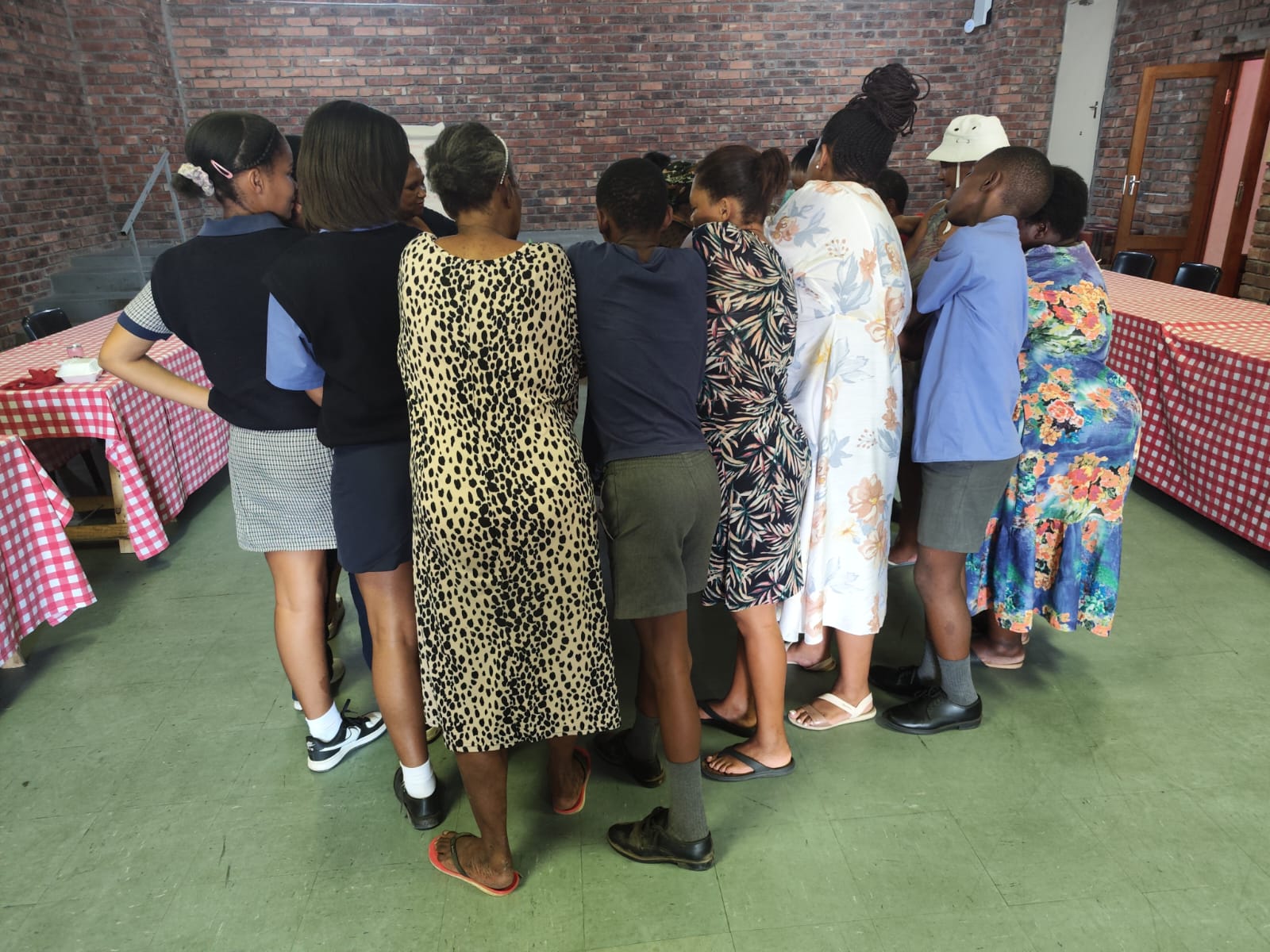
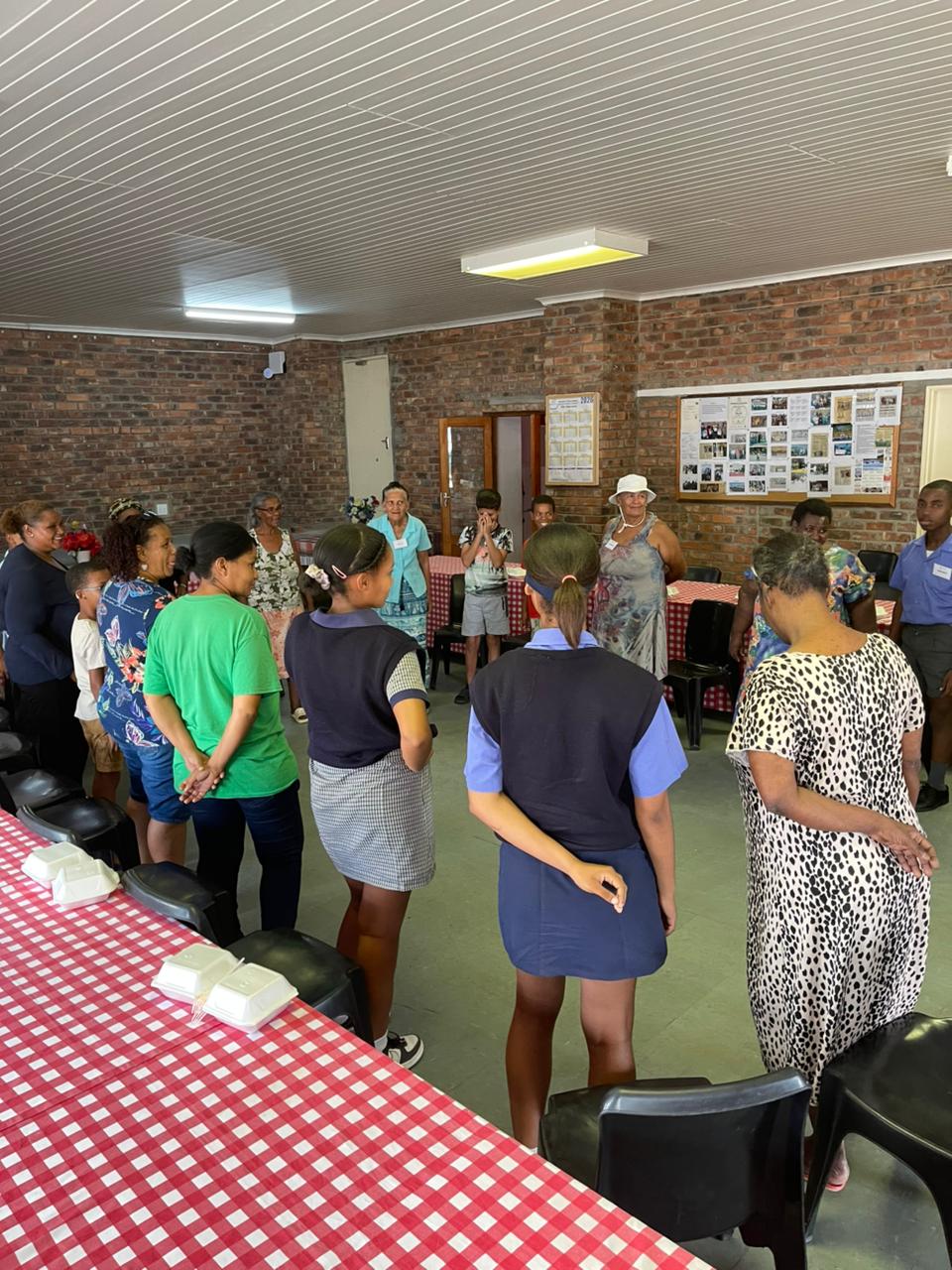
In the Paarl Valley, Mosaic Community Developments delivers Parenting for Lifelong Health Teen, an evidence-based programme for caregivers and adolescents aged 13 to 18 in households caring for orphaned and vulnerable children.
Developed through collaboration among the University of Oxford, UNICEF and South African research institutions, the programme consists of 10 structured group sessions. Caregivers and teenagers participate together, learning practical ways to communicate, manage conflict, strengthen relationships and discuss safety.
Mosaic’s approach is grounded in dignity and partnership. Families are not treated as problems to be fixed, but as active participants in building the safe and connected households children need to flourish. Facilitators Yolandé Ontong-Mpata and Dipuo Ngxata bring warmth, consistency and deep community relationships to each session.
Evidence of meaningful change.
Mosaic measures progress through structured surveys completed by caregivers and teenagers before and after the programme. These assess discipline practices, safety conversations, caregiver–child engagement, school support and financial well-being.
The 2026 Paarl Valley results showed that:
- Four out of five caregivers reduced or eliminated harsh disciplinary practices.
- All five caregivers spent quality time with their children several times a week.
- Every caregiver developed a plan to discuss community safety with their child.
Before the programme, some caregivers relied on shouting or verbal unkindness when responding to difficult behaviour, not because they lacked care, but because they had few practical alternatives.
Through positive discipline strategies, caregivers learned to pause, regulate their responses and engage more constructively. One caregiver eliminated shouting and other forms of verbal unkindness entirely, while 80% of the group showed a measurable reduction in harsh discipline.
Learning to show up.
The programme also strengthened everyday caregiver–child engagement.
One caregiver moved from never having friendly conversations or sharing activities with her child to doing both regularly. She also progressed from hardly ever supporting schoolwork to doing so most of the time.
Her reflection captures the programme’s relational approach:
“I didn’t know how to talk to her about these things. Now I know I don’t have all the answers. I just have to show up and be willing to talk.”
Caregivers across the group also reported greater involvement in education through praising academic effort, prioritising schoolwork and celebrating achievement.
These daily actions can significantly influence whether young people feel supported, remain engaged in school and believe in their own futures.
Investing in stronger families.
As a beneficiary of the Val de Vie Foundation, Mosaic Community Developments is strengthening families across the Paarl Valley through its family-centred approach, made possible in part by the Foundation’s ongoing support.
The programme demonstrates that sustainable social change is strengthened when families, community-rooted organisations and social investors work together towards shared outcomes.
By equipping caregivers and teenagers together, Parenting for Lifelong Health strengthens more than individual skills. It helps build healthier relationships and safer, more connected households in which young people can flourish.